PROCESS MODELING
CAD Modeling · Control Architecture Layout Modeling · Empirical Modeling - Financial Modeling and Justification · Process Simulation Modeling - Software Modeling · Theoretical Modeling


Modeling

  1. What is modeling?
  2. Modeling methodologies
  3. Benefits
  4. What can and should be modeled?
  5. How does modeling tie into Six Sigma?
  6. Examples of UTI Modeling Projects.


What is Modeling?

  • Modeling is a method, usually based on mathematics and/or experimental data, used to determine the behaviors or specific properties of a system.
  • Modeling is done on a scaled perspective of something that presently exists and/or a proposed design.


  • Modeling Methodologies

    The following is a list of modeling methodologies that UTI utilizes in our daily work, to better meet our clients needs and to forecast an outcome with a higher level of accuracy.
    1. Empirical Modeling
    2. Theoretical Modeling
    3. Process Simulation
    4. Cad Modeling
    5. Software Modeling
    6. Controls Architecture
    7. Financial Modeling & Justification

    Benefits

    Typical benefits that have been derived from modeling are as follows:
    • Better knowledge of systems and behavior prior to execution of capital.
    • Evaluation of different strategies and options, along with cost analysis.
    • Improved time to market.
    • Better utilization of assets and resources.
    • Improved AFEs and commercialization of capital projects process.
    • Buy-in by end users.
    • More accurate cost estimates.
    • Greater success with final outcomes.

    What can and should be modeled?

    What can be modeled?
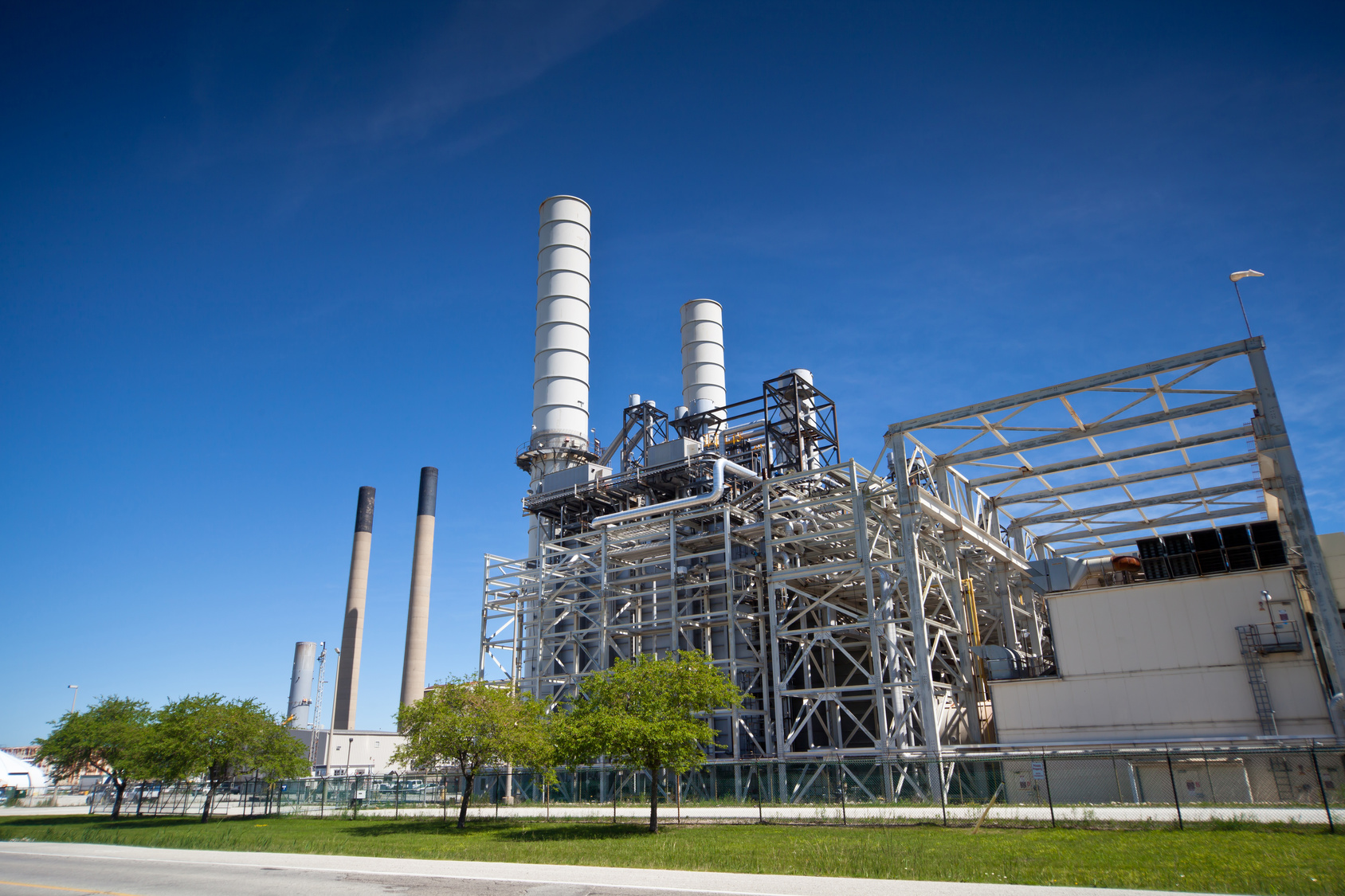
    • Chemical Process (Stripper Columns, Reactors, Heat Exchangers, Coaters)
    • Manufacturing Systems (Production Lines, Converting and Packaging Systems)
    • Software (PLCs, HMI, PC Systems and Control Systems)
    • Financial Justification (ROIs)
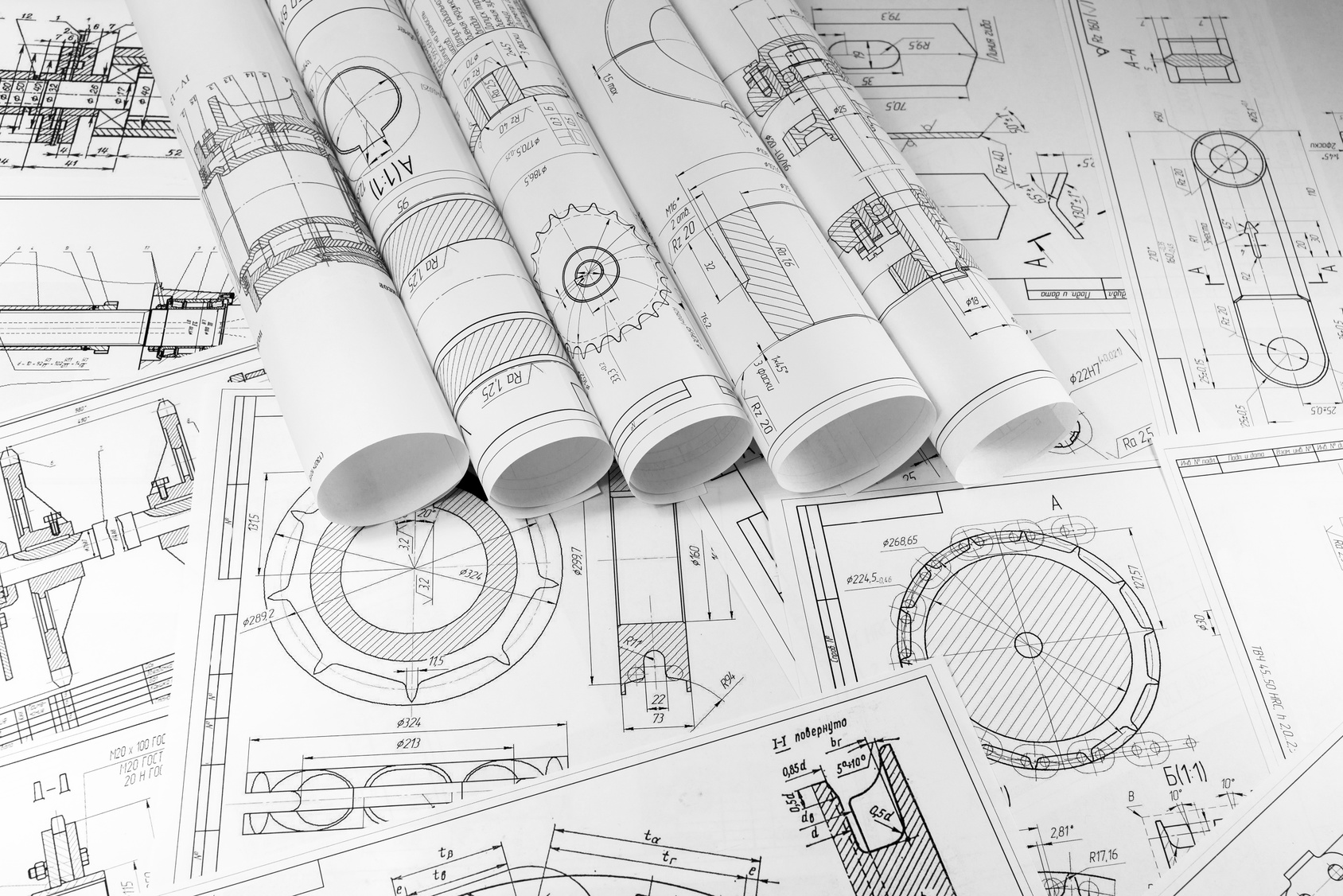
    • Layouts, Space Planning and Interferences (CAD Modeling)
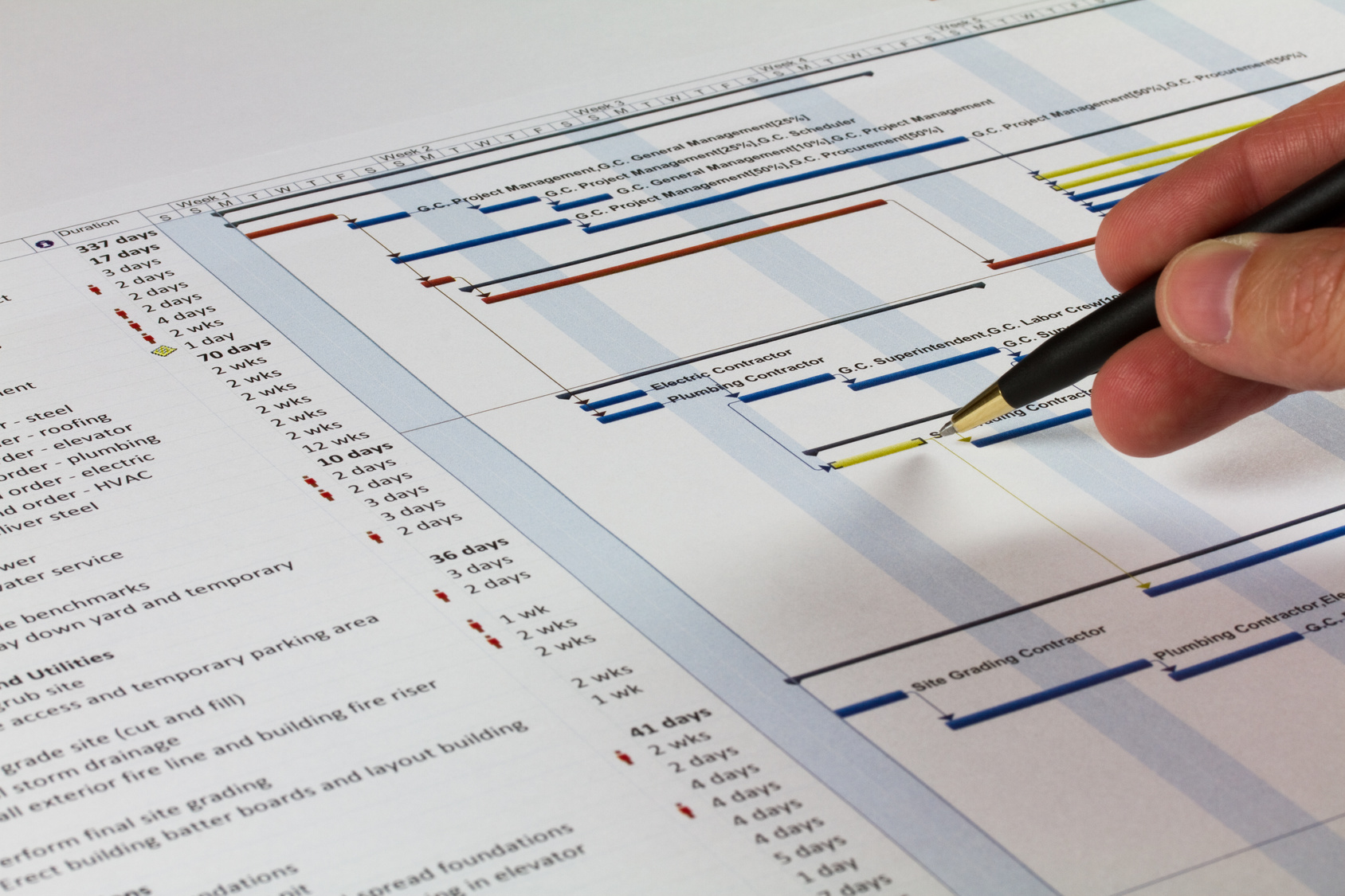
    • Scheduling and Coordination of Project Execution
    What should be modeled?

    Processes and systems that one can easily, economically and practically create a mathematical and/or physical example to scientifically forecast the implications of designs and configurations.

    How does modeling tie into ·Six Sigma·?

    Modeling ties directly into "Six Sigma" in a number of ways:
  • Better Process Understanding = Better Analysis
  • Improvements identified through analysis
  • Process understanding results in better decisions
  • Clearer understanding of what exists and what is needed
  • Improved cost estimating and estimates
  • Greater alignment of engineering, manufacturing and marketing
  • Greater levels of accountability, with plant floor buy-in
  • Less lost opportunities in the field, resulting in greater utilization of assets and resources
  • Outlining of key performance indicators, parameters, goals and objectives


  • Examples of UTI Modeling Projects.

    We present the following examples of UTI modeling projects:
    1. Empirical Modeling / Chemical & Plastic Companies
    2. Theoretical Modeling / Pilot Plant Reactors
    3. Process Simulation Software Modeling / Evaporator
    4. CAD Modeling / Chemical Storage for Pulp and Paper Plant
    5. Software Modeling / In General
    6. Controls Architecture Layout Modeling / Chemical & Plastic Companies
    7. Financial Modeling & Justification / Solvent Extraction Processor
    We will present the information as follows:

    1. Situation overview
    2. Picture and/or schematic of design
    3. Cost for model development
    4. Clear benefits


    Locations Across the United States  
    Camarillo, CA
    805.389.7420
    Decatur, IL
    217.876.7730
    Kohler, WI
    920.467.1440
    Madison, WI
    608.825.4959
    Sioux Falls, SD
    605.339.1250
    Woodbury, MN
    651.578.8100